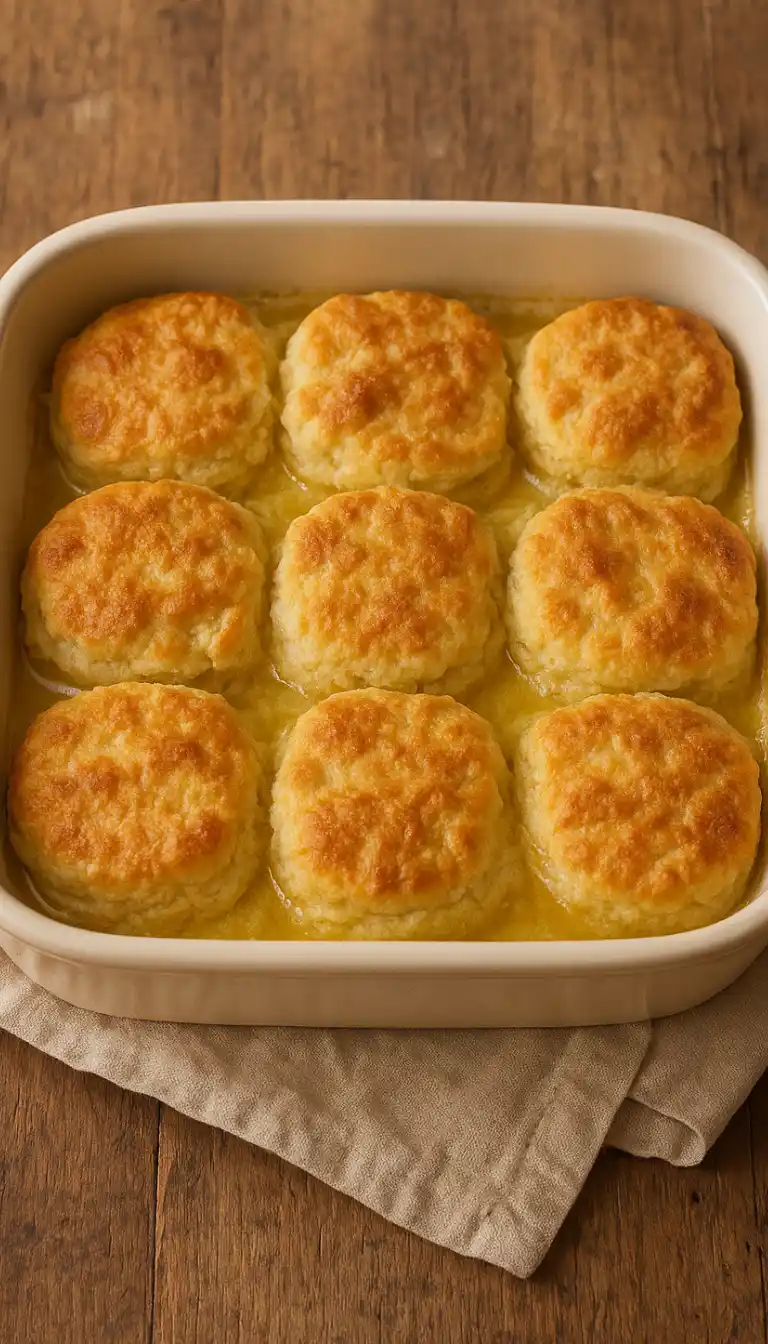
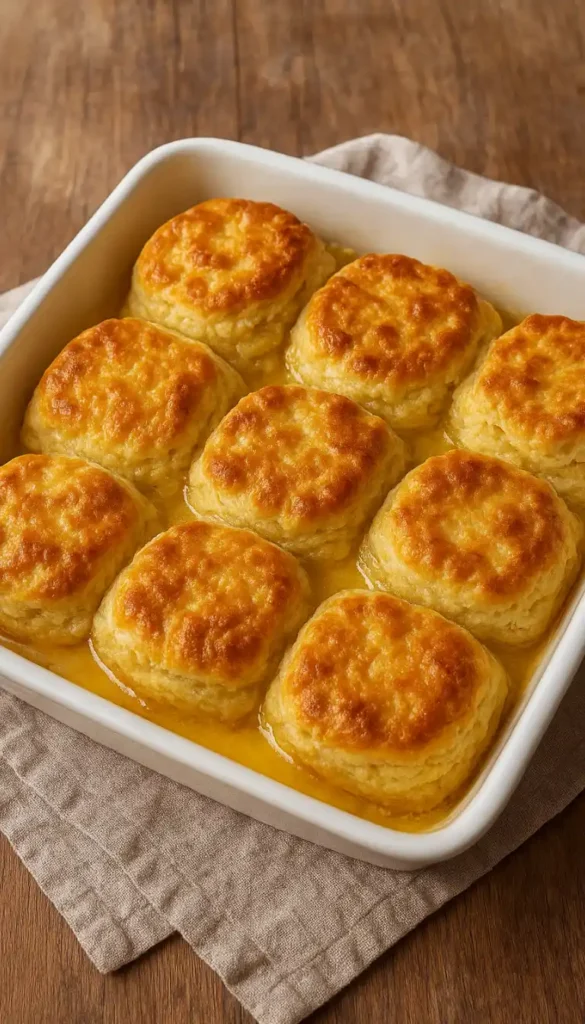
Butter swim biscuits are a beloved Southern comfort food known for their crisp edges, tender crumb, and rich, buttery flavor. Unlike rolled or cut biscuits, these are mixed quickly and baked directly in a pool of melted butter. As they bake, the dough quite literally “swims” in butter, creating a golden crust without the need for kneading or shaping.
What makes these biscuits especially appealing is their simplicity. They rely on pantry staples, minimal technique, and a forgiving process. Traditionally, buttermilk plays a key role by adding tang and helping the biscuits rise properly. However, modern home bakers often find themselves without buttermilk on hand. That’s where flexibility becomes important.
Understanding the foundation of butter swim biscuits helps clarify why substitutions can work so well. The method emphasizes moisture and fat over precision shaping. Because of that, small ingredient changes don’t ruin the final product. In fact, many experienced bakers argue that once the technique is mastered, butter swim biscuits become one of the easiest breads to adapt. This adaptability leads directly to the big question many home cooks ask when inspiration strikes at the last minute.
What Makes Butter Swim Biscuits Unique
- No rolling, folding, or cutting required
- Baked in melted butter for crisp edges
- Soft, spoonable dough rather than stiff dough
- High forgiveness for ingredient swaps
The Role of Buttermilk in Traditional Recipes
Buttermilk adds acidity, moisture, and flavor. It reacts with leavening agents like baking powder, helping the biscuits rise while staying tender. Its tang also balances the richness of butter, creating a well-rounded bite.
Can You Make Butter Swim Biscuits Without Buttermilk?
Absolutely—and the results can still be fluffy, golden, and delicious. The success lies in understanding what buttermilk contributes and how to replicate those qualities using simple substitutes.
Buttermilk is acidic and slightly thick. When removed, the recipe loses acidity, which affects rise, and tang, which affects flavor. Fortunately, both elements are easy to replace. A combination of milk and acid, or even thicker dairy products, can step in seamlessly.
What’s more, butter swim biscuits are inherently rich due to the large amount of butter used. This richness masks minor flavor differences caused by substitutions. As a result, most people can’t tell whether buttermilk was used unless they’re told.
From an experience standpoint, seasoned bakers often rely on substitutes without hesitation. They understand that biscuit-making is more about balance than strict rules. As long as moisture, fat, and leavening are properly aligned, the biscuits will rise and brown beautifully. This flexibility makes butter swim biscuits ideal for spontaneous baking.
Why Buttermilk Is Often Used
- Activates leavening agents
- Adds subtle tangy flavor
- Contributes to tender crumb
What Happens When Buttermilk Is Missing
Without buttermilk, biscuits may:
- Rise slightly less if acidity isn’t replaced
- Taste milder without tang
- Still bake successfully with proper adjustments
Best Buttermilk Substitutes for Butter Swim Biscuits
Choosing the right substitute depends on what’s available and dietary needs. The goal is to mimic both the acidity and thickness of buttermilk. Luckily, several options work reliably.
Milk combined with an acid is the most common approach. Adding lemon juice or white vinegar to milk creates a quick “mock buttermilk.” This mixture curdles slightly, replicating acidity and texture. Yogurt and sour cream also work well because they’re naturally thick and tangy. When thinned with a bit of milk or water, they behave almost identically to buttermilk in baking.
For dairy-free bakers, plant-based milks like almond or soy milk can be acidified in the same way. While the flavor profile changes slightly, the structure remains intact. According to baking experts at King Arthur Baking, acidity is the key factor in successful substitutions, not the specific dairy source.
Ultimately, the best substitute is the one that maintains moisture and acidity. With butter swim biscuits, the generous butter content ensures richness regardless of the milk choice.
Milk and Acid Substitutes
- 1 cup milk + 1 tablespoon lemon juice
- 1 cup milk + 1 tablespoon white vinegar
- Let sit 5 minutes before use
Yogurt, Sour Cream, and Dairy-Free Options
- Plain yogurt thinned with milk (3:1 ratio)
- Sour cream thinned slightly with water
- Almond or soy milk + acid for dairy-free needs
Flavor and Texture Comparisons
| Substitute | Texture | Flavor |
|---|---|---|
| Milk + Lemon | Light, fluffy | Mild tang |
| Yogurt Mix | Extra tender | Rich tang |
| Plant Milk + Acid | Soft | Neutral |
Ingredient List and Ratios
- 2½ cups all-purpose flour
- 1 tablespoon baking powder
- 1 teaspoon salt
- 1¾ cups milk substitute
- ½ cup unsalted butter
Baking Tips for Perfect Results
- Don’t overmix the dough
- Use a metal or ceramic dish for even browning
- Serve warm for the best texture
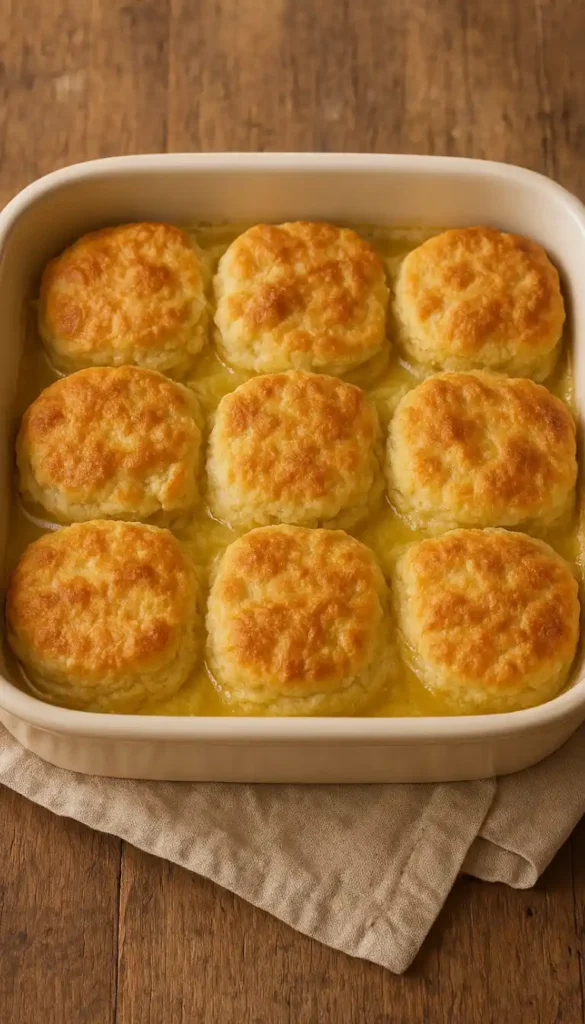
Equipment Needed
To make butter swim biscuits without buttermilk, only basic kitchen tools are required, making this recipe perfect for both beginners and experienced home bakers. Having the right equipment ensures smooth preparation and consistent results without unnecessary effort.
- Mixing Bowl – A medium to large bowl for combining dry and wet ingredients evenly.
- Whisk or Fork – Useful for mixing dry ingredients and gently combining the dough without overworking it.
- Measuring Cups and Spoons – Accurate measurements are essential for proper texture and rise.
- Baking Dish – A square or rectangular oven-safe dish (ceramic or metal) works best for even baking and butter distribution.
- Oven – Preheated to the correct temperature to ensure the biscuits rise properly and develop a golden crust.
- Knife or Bench Scraper – For lightly scoring the dough into portions before baking.
- Oven Mitts – Necessary for safely handling the hot baking dish filled with melted butter.
With these simple tools ready, the biscuit-making process becomes quick, easy, and stress-free.
Step-by-Step Method to Make Butter Swim Biscuits Without Buttermilk
- Preheat the oven
- Preheat the oven to 450°F (230°C). A hot oven is essential for achieving a golden crust and a fluffy interior.
- Melt the butter in the baking dish
- Place ½ cup unsalted butter in an oven-safe baking dish.
- Put the dish in the oven until the butter is fully melted, then carefully remove it. This butter will create the signature “swim” effect.
- Prepare the dry ingredients
- In a large mixing bowl, whisk together all-purpose flour, baking powder, and salt.
- Mixing evenly ensures proper rise and consistent texture.
- Make the buttermilk substitute
- Combine milk with lemon juice or white vinegar and let it rest for about 5 minutes.
- This creates acidity similar to buttermilk, which helps the biscuits rise.
- Mix the dough gently
- Pour the milk mixture into the dry ingredients.
- Stir just until combined. The dough should be soft and slightly sticky—avoid overmixing.
- Add dough to the buttered dish
- Carefully pour the dough directly into the dish with melted butter.
- Spread evenly if needed; the butter will naturally rise around the dough.
- Score and bake
- Lightly score the dough into squares using a knife.
- Bake for 20–25 minutes or until the top is golden brown and the center is fully set.
- Rest and serve
- Let the biscuits cool for a few minutes before serving.
- Serve warm for the best flavor and texture.
Common Mistakes and How to Avoid Them
- Overmixing the dough
- Stirring too much develops gluten, resulting in tough biscuits.
- Mix only until the ingredients come together.
- Skipping the acid in the substitute
- Without acidity, the biscuits may not rise properly.
- Always include lemon juice or vinegar when replacing buttermilk.
- Using cold butter instead of melted butter
- Butter must be fully melted for the “swim” effect.
- Cold butter prevents even browning and crisp edges.
- Overbaking the biscuits
- Baking too long can dry them out.
- Remove once the top is golden and the center is set.
- Adding too much flour
- Butter swim biscuit dough should be wetter than traditional biscuit dough.
- Resist the urge to thicken it.
Nutritional, Taste, and Storage Considerations
- Nutritional profile
- These biscuits are rich due to the butter content.
- Using low-fat milk or plant-based milk can slightly reduce calories.
- Taste and texture
- The biscuits are buttery with crispy edges and a fluffy interior.
- Substitutes may slightly reduce tang but won’t affect overall enjoyment.
- Short-term storage
- Store leftovers in an airtight container in the refrigerator for up to 3 days.
- Reheating tips
- Reheat in the oven at 350°F (175°C) for best texture.
- Avoid microwaving if possible, as it softens the crust.
- Freezing option
- Biscuits can be frozen for up to 2 months.
- Reheat directly from frozen for convenience.
More Recipes You’ll Love
FAQs About Butter Swim Biscuit Without Buttermilk
1. Can you make butter swim biscuits without buttermilk and still get fluffy results?
Yes, you can make butter swim biscuits without buttermilk and still achieve fluffy, tender results. The key is replacing the acidity that buttermilk provides. When milk is mixed with an acid like lemon juice or vinegar, it reacts with baking powder to create lift. Since butter swim biscuits rely heavily on melted butter for moisture and richness, the structure remains soft even without true buttermilk. As long as the dough is not overmixed and the oven is properly preheated, the biscuits will rise well and develop golden, crisp edges with a soft interior.
2. What is the best substitute for buttermilk in butter swim biscuits?
The most reliable substitute is regular milk combined with an acid, such as lemon juice or white vinegar. This mixture closely mimics the chemical properties of buttermilk. Yogurt and sour cream are also excellent options when thinned with a little milk or water. Each substitute provides enough acidity to activate leavening while maintaining moisture. The choice depends on what’s available, but all options work well in butter swim biscuits because the recipe is forgiving and rich.
3. Do butter swim biscuits taste different without buttermilk?
There may be a very slight difference in tang, but most people won’t notice it. Buttermilk adds a subtle sharpness that balances butter, but substitutes still produce a pleasant, well-rounded flavor. In fact, the high butter content often dominates the taste profile. When served warm, the biscuits remain rich, savory, and comforting. Adding honey, jam, or gravy easily masks any minor flavor changes caused by skipping buttermilk.
4. Can dairy-free milk be used to make butter swim biscuits without buttermilk?
Yes, dairy-free milk such as almond, soy, or oat milk can be used successfully. To replace buttermilk, simply add an acid like lemon juice or vinegar to the plant-based milk. While the flavor may be slightly less tangy, the texture remains soft and tender. Choosing an unsweetened plant milk is important to avoid altering the taste. The butter still plays the primary role in texture and richness.
5. Why is butter swim biscuit dough wetter than regular biscuit dough?
Butter swim biscuit dough is intentionally wetter because it isn’t rolled or shaped. The loose consistency allows the dough to spread evenly in melted butter, which creates crisp edges and a soft center. A wetter dough also reduces gluten development, keeping the biscuits tender. Adding extra flour can make the biscuits dense, so it’s important to trust the process and allow the dough to remain soft and spoonable.
Conclusion
Butter swim biscuits prove that baking doesn’t have to be complicated to be successful. Even without buttermilk, these biscuits remain one of the easiest and most forgiving bread recipes for home cooks. By understanding the role of acidity and moisture, bakers can confidently use simple substitutes like milk and lemon juice, yogurt, or even dairy-free options. The generous amount of butter ensures rich flavor, crisp edges, and a fluffy interior every time.
Whether prepared for breakfast, dinner, or a last-minute side dish, butter swim biscuits deliver comfort and consistency. With proper technique—avoiding overmixing, using the right oven temperature, and trusting the wet dough—the results are reliably delicious. For more baking science and trusted substitution guidance, resources like King Arthur Baking provide expert-backed insights: https://www.kingarthurbaking.com
Print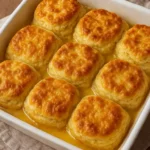
Butter Swim Biscuits Without Buttermilk Recipe
- Prep Time: 10 minutes
- Cook Time: 25 minutes
- Total Time: 35 minutes
- Yield: 9 biscuits 1x
- Category: Dessert
- Method: Baking
- Cuisine: Southern American
- Diet: Vegetarian
Description
These butter swim biscuits without buttermilk are rich, fluffy, and incredibly easy to make. Baked in melted butter, they develop crispy golden edges and a soft interior using simple pantry substitutes.
Ingredients
- 2 ½ cups all-purpose flour
- 1 tablespoon baking powder
- 1 teaspoon salt
- 1 ¾ cups milk
- 1 tablespoon lemon juice or white vinegar
- ½ cup unsalted butter
Instructions
- Preheat oven to 450°F (230°C).
- Place butter in a baking dish and melt it in the oven.
- Mix flour, baking powder, and salt in a bowl.
- Combine milk with lemon juice; let sit 5 minutes.
- Pour milk mixture into dry ingredients and stir gently.
- Pour the dough over the melted butter and spread evenly.
- Score into squares and bake 20–25 minutes until golden.
Notes
- Dough should be wet; do not add extra flour.
- Best served warm for optimal texture.
Nutrition
- Serving Size: 1 biscuit
- Calories: 320kcal
- Sugar: 3g
- Sodium: 420mg
- Fat: 18g
- Saturated Fat: 11g
- Unsaturated Fat: 6g
- Carbohydrates: 34g
- Fiber: 1g
- Protein: 6g
- Cholesterol: 45mg