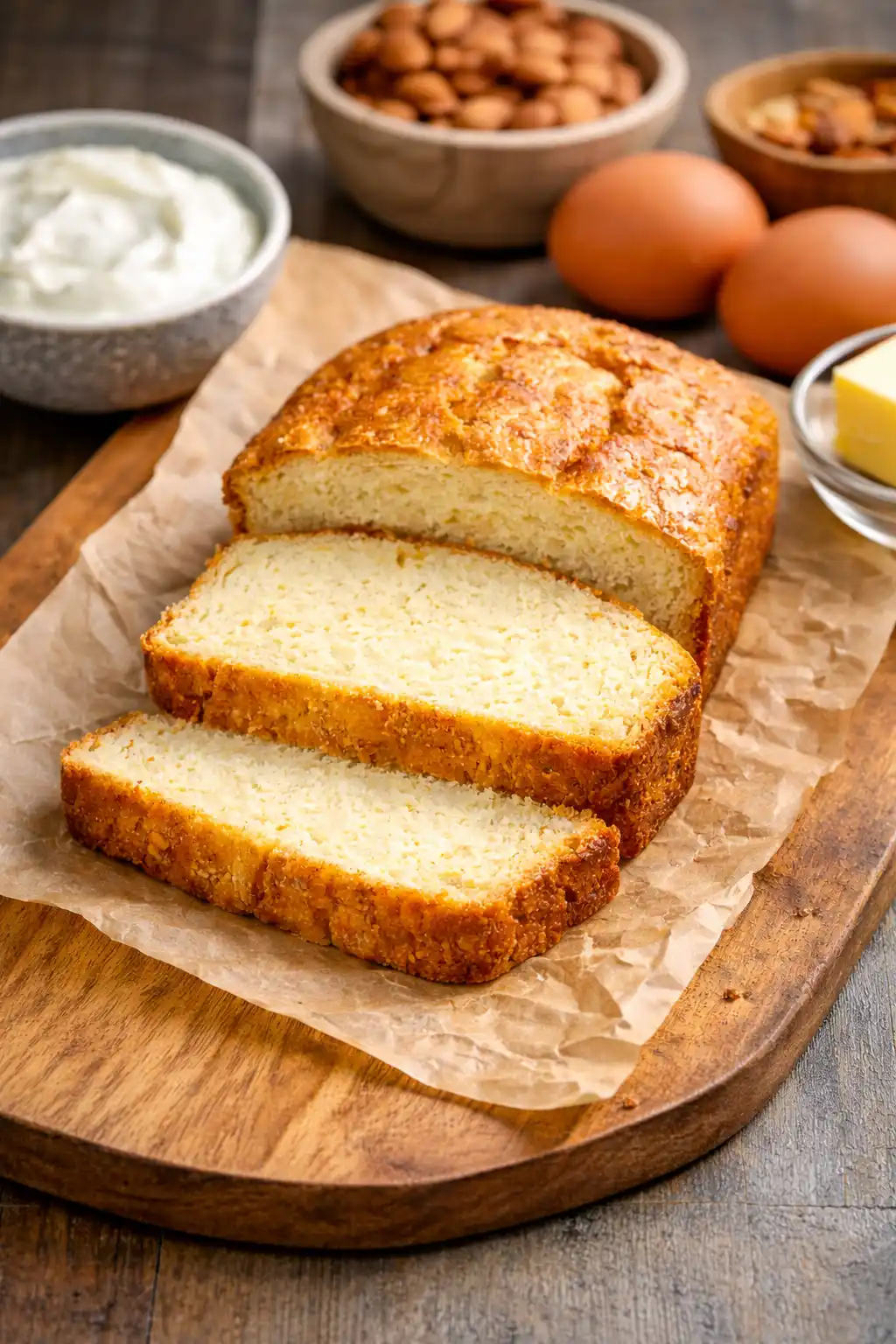
The Zero Carb Yogurt Bread Recipe has become a favorite among people searching for healthier alternatives to traditional bread. Unlike classic loaves made with wheat flour and sugar, this bread focuses on low-carb ingredients that support ketogenic and low-carbohydrate lifestyles. As dietary awareness continues to grow, many home bakers are experimenting with recipes that offer the comfort of bread without the carb overload.
This innovative recipe uses yogurt as a core ingredient, giving the bread moisture, protein, and a slightly tangy flavor. Because it replaces traditional flour with low-carb alternatives, the result is a bread that feels satisfying while staying aligned with health goals. Moreover, yogurt contributes beneficial bacteria and a soft texture that many low-carb breads lack.
Another appealing aspect of this recipe is its simplicity. Even beginner bakers can prepare it with just a few ingredients and minimal kitchen equipment. As a result, it has gained popularity among busy households that want a nutritious homemade option.
When prepared correctly, this bread becomes fluffy, flavorful, and versatile. It can serve as sandwich bread, toast for breakfast, or even a base for creative snacks. Therefore, learning this recipe opens the door to a healthier way of enjoying bread without compromising taste or texture.
Why Low-Carb Bread Is Trending
Low-carbohydrate diets have become increasingly popular over the past decade. Many people follow ketogenic or low-carb eating plans to improve energy levels, manage weight, and maintain balanced blood sugar levels. Because traditional bread is often high in carbohydrates, it usually becomes one of the first foods people eliminate from their diets.
However, bread is deeply rooted in daily meals around the world. It is comforting, convenient, and versatile. As a result, food enthusiasts and nutrition experts have searched for alternatives that mimic traditional bread while reducing carbohydrate content. This effort has led to the creation of recipes like the Zero Carb Yogurt Bread Recipe, which satisfies cravings without undermining dietary goals.
Low-carb breads rely on creative ingredient substitutions. Instead of wheat flour, bakers often use almond flour, coconut flour, or psyllium husk. These ingredients provide structure while maintaining minimal carbohydrates. Yogurt enhances these mixtures by improving texture and adding nutritional value.
Furthermore, health awareness has encouraged people to read food labels more carefully. Many store-bought breads contain preservatives and added sugars. Homemade alternatives give individuals greater control over ingredients and portion sizes.
Because of these advantages, low-carb breads are no longer considered niche recipes. They have become a mainstream option for anyone seeking healthier eating habits while still enjoying familiar foods.
What Makes Yogurt Bread Unique
Yogurt bread stands out among low-carb recipes due to its exceptional balance of flavor, nutrition, and texture. Unlike many alternative breads that feel dry or crumbly, yogurt adds natural moisture that improves softness and chewiness. Consequently, the bread resembles traditional loaves more closely than many other keto-friendly options.
Another distinctive feature is the mild tang that yogurt introduces. This subtle flavor enhances the bread’s taste without overpowering other ingredients. Additionally, yogurt helps activate baking agents such as baking powder or baking soda, which leads to a lighter crumb structure.
Key Benefits of Using Yogurt
Several advantages make yogurt an excellent choice in low-carb baking:
- Adds natural moisture
- Improves bread softness
- Enhances flavor balance
- Increases protein content
- Supports digestive health
These qualities transform a simple bread recipe into a more nutritious and satisfying option.
Nutritional Advantages
Yogurt contributes essential nutrients, including calcium, protein, and beneficial probiotics. These nutrients support bone health and digestion while making the bread more filling. As a result, people often feel satisfied with smaller portions.
According to nutritional experts, fermented dairy products like yogurt may also help maintain gut health. For more information about the benefits of yogurt in the diet, readers can explore this helpful resource from Healthline:
https://www.healthline.com/nutrition/7-benefits-of-yogurt
Therefore, incorporating yogurt into low-carb bread recipes offers both culinary and nutritional benefits.
Essential Ingredients for Zero Carb Yogurt Bread
The success of the Zero Carb Yogurt Bread depends heavily on choosing the right ingredients. Because the goal is to minimize carbohydrates while maintaining a bread-like texture, each ingredient plays an important role.
Below is a typical ingredient list:
| Ingredient | Purpose |
|---|---|
| Greek Yogurt | Moisture and protein |
| Eggs | Structure and binding |
| Almond Flour | Low-carb flour substitute |
| Baking Powder | Leavening |
| Salt | Flavor balance |
| Psyllium Husk | Improves texture |
These ingredients combine to create a dough that bakes into a fluffy yet sturdy loaf.
Choosing the Right Yogurt
Greek yogurt is usually the best option for this recipe because it contains higher protein and lower carbohydrate levels than regular yogurt. Additionally, its thick consistency helps bind the dough more effectively.
When selecting yogurt, consider these tips:
- Choose plain, unsweetened varieties
- Avoid flavored yogurts with added sugar
- Look for full-fat or low-fat options depending on diet goals
These choices ensure the bread remains low in carbohydrates while maintaining flavor.
Best Low-Carb Flour Alternatives
Almond flour is commonly used in keto baking because it contains healthy fats and minimal carbohydrates. Coconut flour is another option, although it absorbs more moisture and may require additional eggs or yogurt.
Other alternatives include:
- Flaxseed meal
- Sunflower seed flour
- Psyllium husk powder
Combining these ingredients strategically helps recreate the familiar structure of wheat-based bread while keeping carbohydrate levels extremely low.
Step-by-Step Zero Carb Yogurt Bread Recipe
Preparing this bread is surprisingly simple. With proper measurements and careful mixing, even beginners can achieve excellent results.
Preparation Steps
Ingredients
- 1 cup Greek yogurt
- 1 cup almond flour
- 3 eggs
- 1 teaspoon baking powder
- 1 tablespoon psyllium husk
- ½ teaspoon salt
Instructions
- Preheat the oven to 350°F (175°C).
- Line a small loaf pan with parchment paper.
- In a bowl, whisk the eggs until slightly frothy.
- Add Greek yogurt and mix until smooth.
- Stir in almond flour, baking powder, psyllium husk, and salt.
- Mix thoroughly until a thick batter forms.
Baking Instructions
- Pour the batter into the prepared loaf pan.
- Smooth the top using a spatula.
- Bake for 35–40 minutes until golden brown.
- Insert a toothpick to check doneness.
- Allow the bread to cool before slicing.
Cooling is important because low-carb breads continue to firm up after baking. Cutting the loaf too soon may cause crumbling.
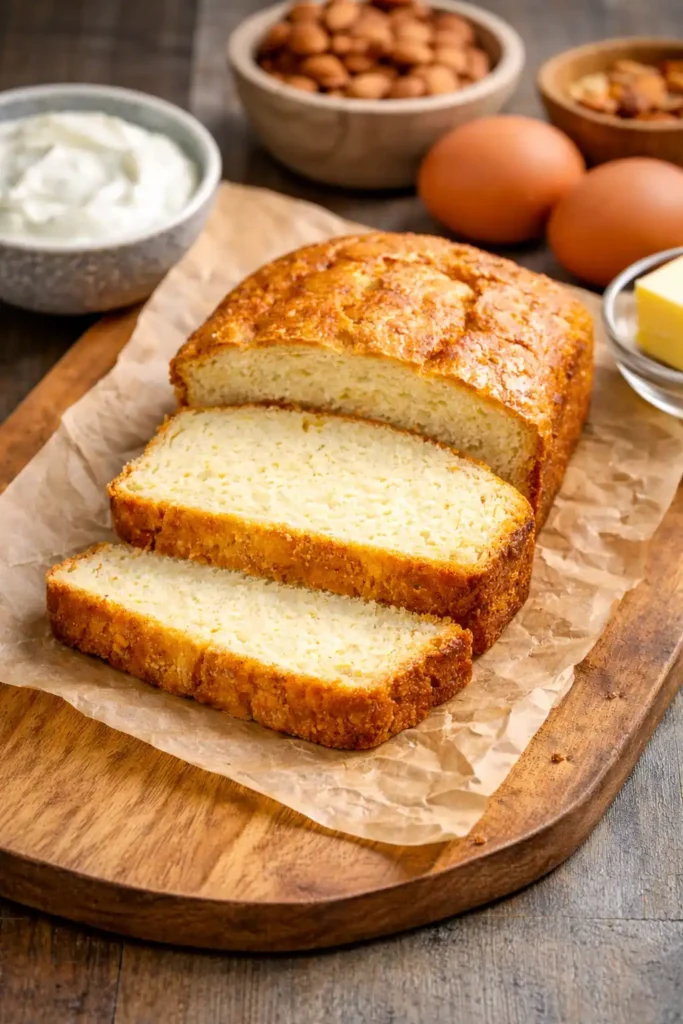
When cooled properly, the Zero Carb Yogurt Bread produces a soft yet sliceable loaf that works well for sandwiches, toast, or snacks.
Expert Tips for Perfect Texture and Flavor
Even simple recipes benefit from expert techniques. A few adjustments can dramatically improve the quality of yogurt bread.
Avoiding Common Mistakes
Many beginners encounter texture issues when baking low-carb bread. Fortunately, these problems are easy to avoid with proper preparation.
Key tips include:
- Measure almond flour accurately
- Avoid overmixing the batter
- Allow adequate cooling time
- Use fresh baking powder
Additionally, ensure that ingredients reach room temperature before mixing. This step helps them combine smoothly and improves the final crumb structure.
Storage and Shelf Life
Low-carb breads often contain fewer preservatives than store-bought products. Therefore, proper storage is essential.
Recommended storage methods:
- Keep in an airtight container
- Refrigerate for up to 5 days
- Freeze slices for up to 2 months
Freezing individual slices makes it easy to toast portions as needed. This approach helps reduce food waste while preserving freshness.
Nutritional Information and Health Benefits
One reason the Zero Carb Yogurt Bread Recipe has gained popularity is its impressive nutritional profile. Compared with traditional bread, it contains fewer carbohydrates while offering more protein and healthy fats.
Approximate nutrition per slice:
| Nutrient | Amount |
|---|---|
| Calories | 110 |
| Protein | 7g |
| Fat | 8g |
| Net Carbs | 1g |
Keto and Low-Carb Diet Compatibility
This bread fits well into ketogenic meal plans because it keeps net carbohydrates extremely low. As a result, individuals following keto diets can enjoy bread without disrupting ketosis.
Protein and Digestive Benefits
Yogurt and eggs both provide protein, which helps promote satiety. Meanwhile, probiotics in yogurt support digestive health, making the bread not only satisfying but also beneficial for overall wellness.
Creative Variations of Zero-Carb Yogurt Bread
One of the best aspects of this recipe is its versatility. Once the basic technique is mastered, it becomes easy to create new variations that suit different tastes.
Savory Versions
Savory additions can transform this bread into a flavorful meal companion.
Popular options include:
- Garlic and herb yogurt bread
- Cheese and jalapeño loaf
- Olive and rosemary bread
These variations pair well with soups, salads, or grilled dishes.
Sweet Keto Variations
For those who prefer sweeter flavors, several keto-friendly options exist.
Ideas include:
- Cinnamon yogurt bread
- Lemon vanilla loaf
- Sugar-free chocolate chip bread
These versions often use keto sweeteners such as erythritol or monk fruit to maintain low carbohydrate levels.
Serving Suggestions and Meal Ideas
This bread can be incorporated into many meals throughout the day. Because it is neutral in flavor, it complements both savory and sweet toppings.
Serving ideas include:
- Toast with avocado and eggs
- Sandwich with grilled chicken
- Breakfast toast with almond butter
- Snack with cream cheese
Additionally, slices can be toasted to create crispy low-carb croutons for salads or soups.
The versatility of the Zero Carb Yogurt Bread Recipe ensures it never becomes boring. Instead, it adapts easily to different meals and occasions.
Frequently Asked Questions
1. Can zero carb yogurt bread really contain no carbs?
Although called zero carb, most versions contain extremely low net carbohydrates rather than absolutely none. The Zero Carb Yogurt Bread Recipe usually has about 1 gram of net carbs per slice because ingredients like almond flour contain small amounts of carbohydrates. However, compared with regular bread that may contain 15–20 grams of carbs per slice, this recipe dramatically reduces carbohydrate intake while maintaining satisfying flavor and texture.
2. What type of yogurt works best for this recipe?
Thick Greek yogurt is generally the best choice for yogurt bread because it contains higher protein and lower carbohydrate content than regular yogurt. Its creamy texture also helps bind ingredients more effectively. When preparing a Zero Carb Yogurt Bread, it is important to choose plain, unsweetened yogurt without added sugars or artificial flavors to keep the carbohydrate count as low as possible.
3. Can almond flour be replaced in the recipe?
Yes, almond flour can sometimes be replaced with coconut flour, sunflower seed flour, or flaxseed meal. However, each alternative absorbs moisture differently. Coconut flour, for example, requires additional eggs or yogurt to maintain proper consistency. When modifying a Zero Carb Yogurt Bread Recipe, adjustments in liquid ingredients are necessary to preserve the bread’s soft and fluffy structure.
4. Why does low-carb bread sometimes feel dense?
Low-carb breads may become dense when the batter lacks enough leavening or moisture. Using fresh baking powder, measuring ingredients accurately, and including yogurt can significantly improve texture. The yogurt adds both moisture and acidity, which helps activate leavening agents and produce a lighter crumb in the Zero Carb Yogurt Bread Recipe.
5. How should yogurt bread be stored after baking?
Proper storage ensures freshness and prevents spoilage. After baking, the bread should cool completely before being placed in an airtight container. It can remain in the refrigerator for about five days. For longer storage, slices of the Zero Carb Yogurt Bread Recipe can be frozen individually and toasted when needed.
6. Can beginners successfully bake this bread?
Absolutely. One reason this recipe is so popular is its simplicity. Even beginners with limited baking experience can prepare the Zero Carb Yogurt Bread successfully by following clear instructions and measuring ingredients carefully. Because it requires only a few basic ingredients and minimal equipment, it is considered one of the easiest low-carb bread recipes to master.
Conclusion
The Zero Carb Yogurt Bread Recipe proves that healthy eating does not require sacrificing flavor or comfort foods. By combining yogurt, eggs, and low-carb flour alternatives, this bread offers a satisfying solution for anyone following keto or reduced-carbohydrate diets.
Its soft texture, mild flavor, and simple preparation make it an appealing choice for both beginners and experienced bakers. Furthermore, the recipe can be customized with herbs, spices, or keto-friendly sweeteners to suit a variety of preferences.
As more people prioritize nutritious eating habits, recipes like this demonstrate how traditional foods can evolve to meet modern dietary needs. With just a few ingredients and some creativity, homemade bread can remain part of a healthy lifestyle.
Print
Zero Carb Yogurt Bread Recipe
- Prep Time: 10 minutes
- Cook Time: 30 minutes
- Total Time: 40 minutes
- Yield: 8 slices 1x
- Category: Bread
- Method: Baking
- Cuisine: Keto / Low-Carb
- Diet: Gluten Free
Description
This Zero Carb Yogurt Bread Recipe is a soft, fluffy, and easy low-carb bread perfect for keto and gluten-free diets. Made with simple ingredients like Greek yogurt, eggs, and almond flour, this bread is moist, satisfying, and ideal for sandwiches, toast, or quick snacks. It’s beginner-friendly, requires minimal preparation, and delivers delicious, low-carb homemade bread.
Ingredients
- 1 cup plain Greek yogurt (unsweetened)
- 1 cup almond flour
- 3 large eggs
- 1 teaspoon baking powder
- 1 tablespoon psyllium husk powder
- ½ teaspoon salt
- 1 tablespoon olive oil (optional for extra moisture)
Instructions
- Preheat the oven to 350°F (175°C). Line a small loaf pan with parchment paper.
- Whisk the eggs in a mixing bowl until light and slightly frothy.
- Add Greek yogurt and mix until smooth and creamy.
- Combine dry ingredients (almond flour, baking powder, psyllium husk, and salt) in a separate bowl.
- Mix everything together until a thick batter forms with no lumps.
- Pour the batter into the prepared loaf pan and smooth the top with a spatula.
- Bake for 35–40 minutes until the top becomes golden brown.
- Check doneness by inserting a toothpick into the center; it should come out clean.
- Cool completely before slicing to allow the bread to firm up.
Notes
- Use full-fat Greek yogurt for the best texture and flavor.
- Let the bread cool for at least 15 minutes before cutting to prevent crumbling.
- Add herbs, cheese, or garlic powder for a savory variation.
- Store leftovers in an airtight container in the refrigerator for up to 5 days.
- Bread slices can also be frozen for up to 2 months.