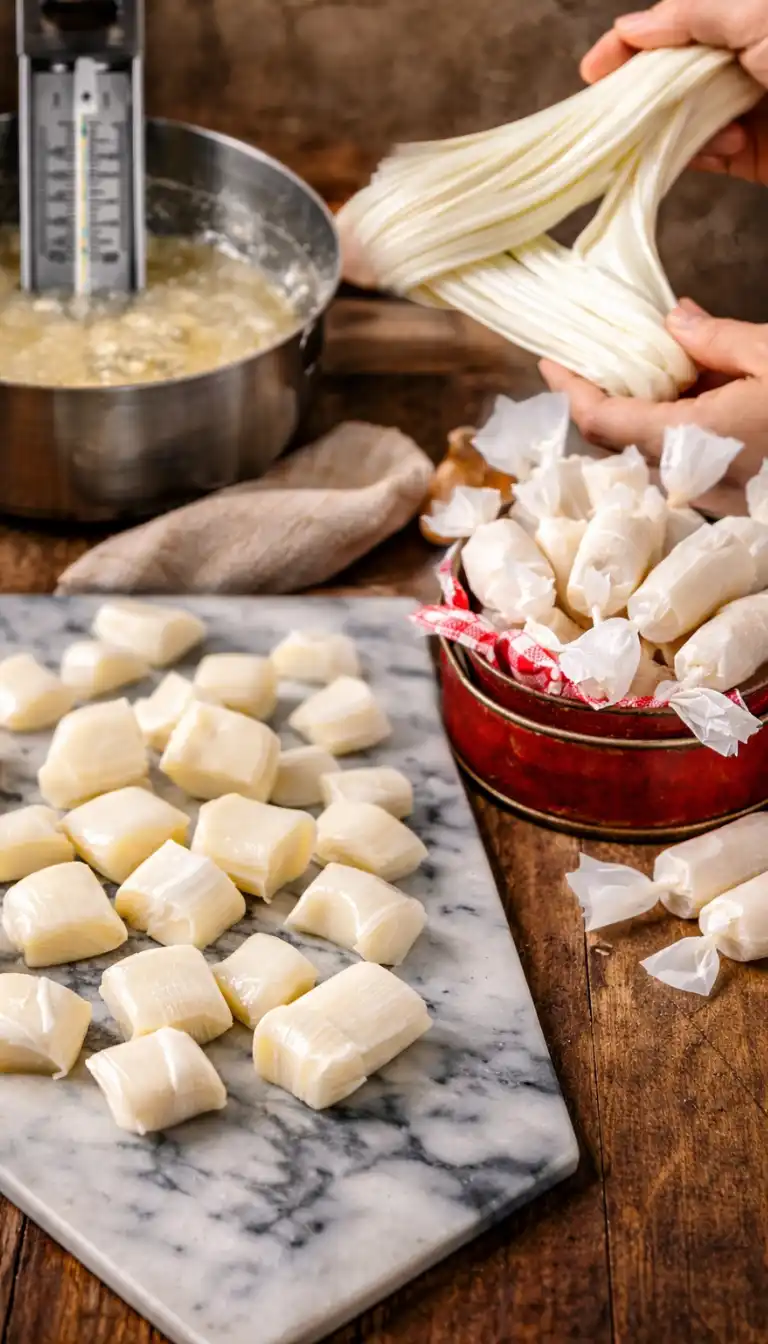
The Kentucky cream pull candy recipe represents a cherished Southern confection that has delighted generations. Known for its smooth texture and melt-in-the-mouth finish, this old-fashioned candy requires patience, precision, and a little bit of love. Unlike modern shortcut candies, this treat relies on traditional pulling techniques that give it its signature creamy appearance.
In many Southern homes, candy pulling was once a social event. Families would gather around large marble slabs, waiting for the syrup to cool just enough to handle. Although it may seem intimidating at first, the process becomes simple with practice. Moreover, the ingredients are basic pantry staples, making this recipe accessible to nearly everyone.
What makes this confection special is not just its flavor but also the nostalgic experience it brings. When someone prepares this recipe today, they’re not merely cooking—they’re preserving a tradition. And that’s what keeps this sweet classic alive.
The History and Cultural Roots of This Southern Classic
Kentucky cream pull candy traces its roots back to the late 19th century. Originally popular in rural Kentucky, it quickly became associated with holiday celebrations, particularly Christmas gatherings. During colder months, the candy sets more easily, which makes winter the perfect season for pulling.
Interestingly, candy pulling became a form of entertainment before television and modern distractions. Families and neighbors would assemble to stretch and fold the cooling sugar mixture. This collective effort turned candy-making into a festive occasion. Over time, the recipe spread beyond Kentucky, yet it remained closely tied to Southern identity.
Traditional methods used marble slabs because marble retains cool temperatures effectively. While modern kitchens may use silicone mats or greased baking sheets, the principles remain unchanged. The authenticity of the recipe lies in the technique rather than complicated ingredients.
Today, food historians consider this candy a symbol of Appalachian culinary heritage. Its simplicity highlights how early cooks created delightful treats with limited resources. Even now, the tradition continues to charm both home bakers and confectionery enthusiasts.
Why This Kentucky Cream Pull Candy Recipe Stands Out
There are many variations of pulled candy, but a well-crafted kentucky cream pull candy recipe stands apart for several reasons.
First, it achieves a delicate balance between sweetness and creaminess. While many sugar-based candies taste overly sugary, this recipe uses cream and butter to soften the flavor profile. As a result, the final product feels smooth rather than sharp.
Second, texture plays a crucial role. Proper pulling incorporates air into the candy, turning the translucent syrup into an opaque, creamy white confection. This transformation is both visual and structural. The candy becomes lighter and easier to bite.
Additionally, the recipe requires attention to temperature. Candy thermometers ensure accuracy, helping avoid grainy or sticky outcomes. Precision, however, does not mean complexity. With careful guidance, even beginners can master the process.
Finally, this recipe maintains authenticity while allowing room for customization. Whether flavored with vanilla or peppermint, the base method remains consistent. That flexibility ensures it stays relevant in modern kitchens.
Ingredients Breakdown and Their Roles
Choosing the Right Sugar
Granulated white sugar serves as the foundation of the kentucky cream pull candy recipe. It provides structure and sweetness. Fine granules dissolve evenly, reducing the risk of crystallization. Some experienced cooks add a small amount of corn syrup to prevent sugar crystals from forming, ensuring a smooth texture.
Importance of Cream and Butter
Heavy cream introduces richness. Without it, the candy would taste flat and overly sweet. Butter adds depth and improves mouthfeel. Together, these dairy elements create the characteristic creaminess that defines this confection.
Flavor Enhancers and Variations
Vanilla extract remains the traditional flavoring choice. However, peppermint extract is popular during the holidays. A pinch of salt can also enhance overall flavor, balancing sweetness beautifully.
Ingredient Summary Table:
| Ingredient | Purpose |
|---|---|
| Sugar | Structure and sweetness |
| Heavy Cream | Creaminess and softness |
| Butter | Rich flavor and texture |
| Corn Syrup (optional) | Prevents crystallization |
| Vanilla Extract | Classic flavor |
Essential Tools for Success
To achieve perfect results, a few reliable tools are essential:
- Heavy-bottom saucepan
- Candy thermometer
- Marble slab or silicone mat
- Heat-resistant spatula
- Buttered kitchen scissors
The candy thermometer deserves special mention. Reaching the soft-ball stage (around 235–240°F) ensures correct consistency. Too low, and the candy remains sticky. Too high, and it becomes brittle.
Moreover, preparing the workspace in advance is crucial. Once the syrup reaches temperature, there’s no time to search for tools. Organization prevents mistakes and supports efficiency.
Step-by-Step Kentucky Cream Pull Candy Recipe
Preparing the Syrup
- Combine sugar, cream, butter, and optional corn syrup in a saucepan.
- Stir gently over medium heat until dissolved.
- Allow mixture to boil without stirring.
- Cook until thermometer reads 238°F.
- Remove from heat and add vanilla extract.
Avoid stirring once boiling begins. Stirring encourages crystallization, which leads to grainy texture.
Cooling and Pulling Process
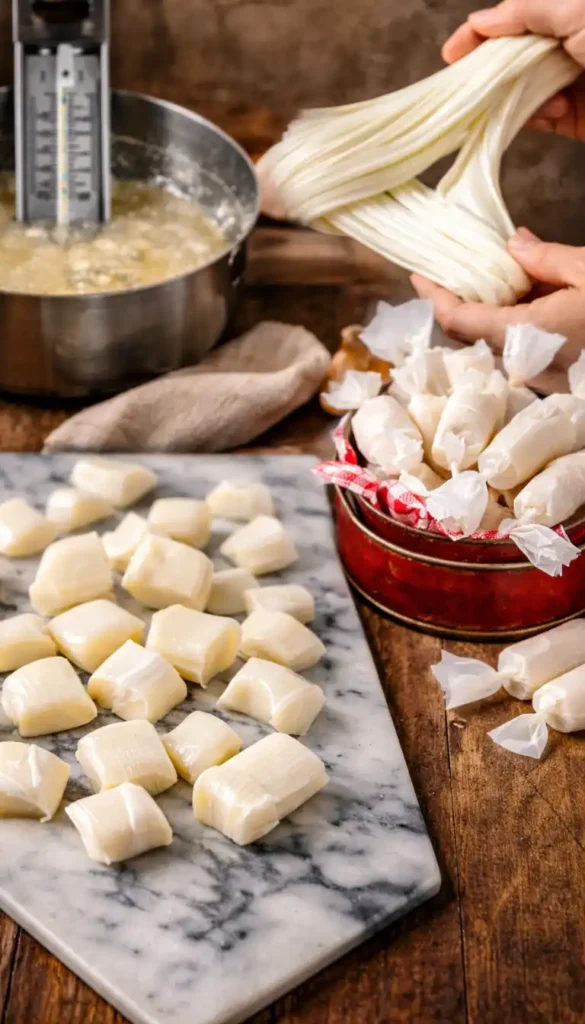
Pour the hot syrup onto a buttered marble slab. Let it cool until edges begin to firm. Using a spatula, fold edges inward. Once safe to touch, begin pulling and stretching repeatedly. As air incorporates, the candy turns opaque and creamy white.
This stage requires patience. Typically, pulling lasts 10–15 minutes. The candy becomes stiff but pliable.
Cutting and Storing
Shape into ropes and cut into bite-sized pieces. Allow pieces to cool completely before storing in airtight containers.
Common Mistakes and How to Avoid Them
Even experienced cooks sometimes face challenges. However, most issues stem from simple errors.
- Grainy texture: Usually caused by stirring during boiling.
- Sticky candy: Indicates undercooking.
- Brittle candy: Means temperature exceeded the soft-ball stage.
Monitoring temperature closely eliminates many problems. Additionally, avoid humid days, as moisture affects sugar consistency.
Expert Tips for Perfect Texture
Consistency matters. Professionals recommend testing thermometer accuracy beforehand. Submerge it in boiling water to ensure it reads 212°F.
Another helpful tip is to lightly butter your hands while pulling. This prevents sticking and eases handling.
Furthermore, timing influences texture. Pulling too long makes the candy overly firm. Pulling too briefly prevents proper aeration. Observing the color change serves as a reliable indicator.
Flavor Variations to Try
Although vanilla remains classic, experimenting with flavors can be delightful.
- Peppermint for holidays
- Maple extract for depth
- Lemon zest for brightness
- Almond extract for nuttiness
Food coloring may also be added during pulling for festive appeal.
Storage, Shelf Life, and Gifting Ideas
Kentucky cream pull candy stores well in airtight containers for up to two weeks. Separate layers with parchment paper to prevent sticking.
For gifting, wrap pieces in wax paper and place in decorative tins. This traditional presentation reflects Southern hospitality.
Nutritional Overview
While undeniably indulgent, moderation keeps enjoyment balanced.
Approximate values per piece:
- Calories: 70
- Fat: 2g
- Carbohydrates: 13g
- Sugar: 12g
This candy contains no artificial preservatives, making it a cleaner treat than store-bought alternatives.
Frequently Asked Questions
1. Why does my candy turn grainy?
Grainy candy usually happens when sugar crystals form during cooking. This often occurs if the mixture is stirred after it starts boiling or if sugar crystals stick to the sides of the pan. To prevent this, avoid stirring once it reaches a boil and use a wet pastry brush to wash down the sides of the pan. Adding a small amount of corn syrup can also help stop crystallization.
2. Can this recipe be made without a marble slab?
Yes, a marble slab is traditional because it cools the syrup evenly, but it is not required. A buttered baking sheet, silicone mat, or even a large glass dish can work well. The key is to have a heat-safe surface that allows the candy to cool gradually. Just ensure it is well-greased so the candy does not stick during the pulling process.
3. How long does pulling take?
Pulling typically takes about 10 to 15 minutes, depending on room temperature and humidity. The candy must cool enough to handle but remain pliable. As it is stretched and folded repeatedly, air gets incorporated, changing its color from translucent to creamy white. Stop pulling once it becomes firm yet smooth and holds its shape without sagging.
4. Can flavors be mixed?
Yes, flavors can definitely be mixed for a unique twist. For example, vanilla and peppermint together create a festive blend, while maple and almond add depth. It is important to use extracts sparingly since candy flavors can intensify during cooking. Add flavoring after removing the mixture from heat to preserve taste and aroma.
5. Is corn syrup necessary?
Corn syrup is not necessary, but it is highly recommended for beginners. It helps prevent sugar crystals from forming, keeping the candy smooth rather than grainy. If omitted, careful temperature control and avoiding stirring become even more important. Many traditional recipes skip corn syrup and rely solely on technique.
6. Why is my candy sticky?
Sticky candy usually means the mixture did not reach the proper soft-ball stage temperature, around 235–240°F. Undercooking leaves too much moisture in the syrup. Humidity can also affect texture, especially on rainy days. Using a reliable candy thermometer and allowing the candy to cool fully before storing will help achieve the right consistency.
Conclusion
The Kentucky cream pull candy recipe continues to charm home cooks with its creamy texture and nostalgic roots. Although it demands attention and patience, the results are deeply rewarding. By understanding temperature control, ingredient roles, and pulling technique, anyone can recreate this Southern treasure.
In essence, this confection embodies tradition, craftsmanship, and simple joy. With practice, what once seemed challenging becomes an enjoyable ritual. And once mastered, this timeless treat will surely become a cherished favorite in any kitchen.
For additional candy-making science insights, visit the professional baking resource at: https://www.exploratorium.edu/explore/cooking/candy-making-stages
Print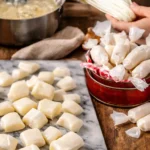
Kentucky Cream Pull Candy Recipe
- Prep Time: 15 minutes
- Cook Time: 20 minutes
- Total Time: 35 minutes
- Yield: About 40 small pieces 1x
- Category: Dessert / Candy
- Method: Stovetop, Candy Pulling Technique
- Cuisine: Southern American
- Diet: Vegetarian
Description
This Kentucky cream pull candy recipe creates a smooth, buttery Southern confection with a melt-in-your-mouth texture. Made with simple pantry ingredients and a traditional pulling technique, this old-fashioned candy turns creamy white as it’s stretched and folded. It’s perfect for holidays, gifting, or preserving a sweet family tradition.
Ingredients
- 2 cups granulated sugar
- 1 cup heavy cream
- 2 tablespoons unsalted butter
- 1 tablespoon light corn syrup (optional, prevents crystallization)
- 1 teaspoon pure vanilla extract
- Pinch of salt (optional)
Instructions
- Butter a marble slab, baking sheet, or silicone mat and set aside.
- In a heavy-bottom saucepan, combine sugar, cream, butter, and corn syrup.
- Cook over medium heat, stirring gently until sugar dissolves.
- Once boiling, stop stirring and cook until temperature reaches 238°F (soft-ball stage).
- Remove from heat and stir in vanilla extract.
- Pour mixture onto prepared surface and allow edges to cool slightly.
- Fold edges inward with a spatula until cool enough to handle.
- Pull and stretch candy repeatedly until it turns opaque and creamy white.
- Shape into ropes and cut into bite-sized pieces.
- Allow to cool completely before storing.
Notes
- Avoid stirring after the mixture begins to boil to prevent grainy texture.
- Use a reliable candy thermometer for accurate temperature control.
- Humidity can affect results; dry days are ideal for candy making.
- Lightly butter hands during pulling to prevent sticking.