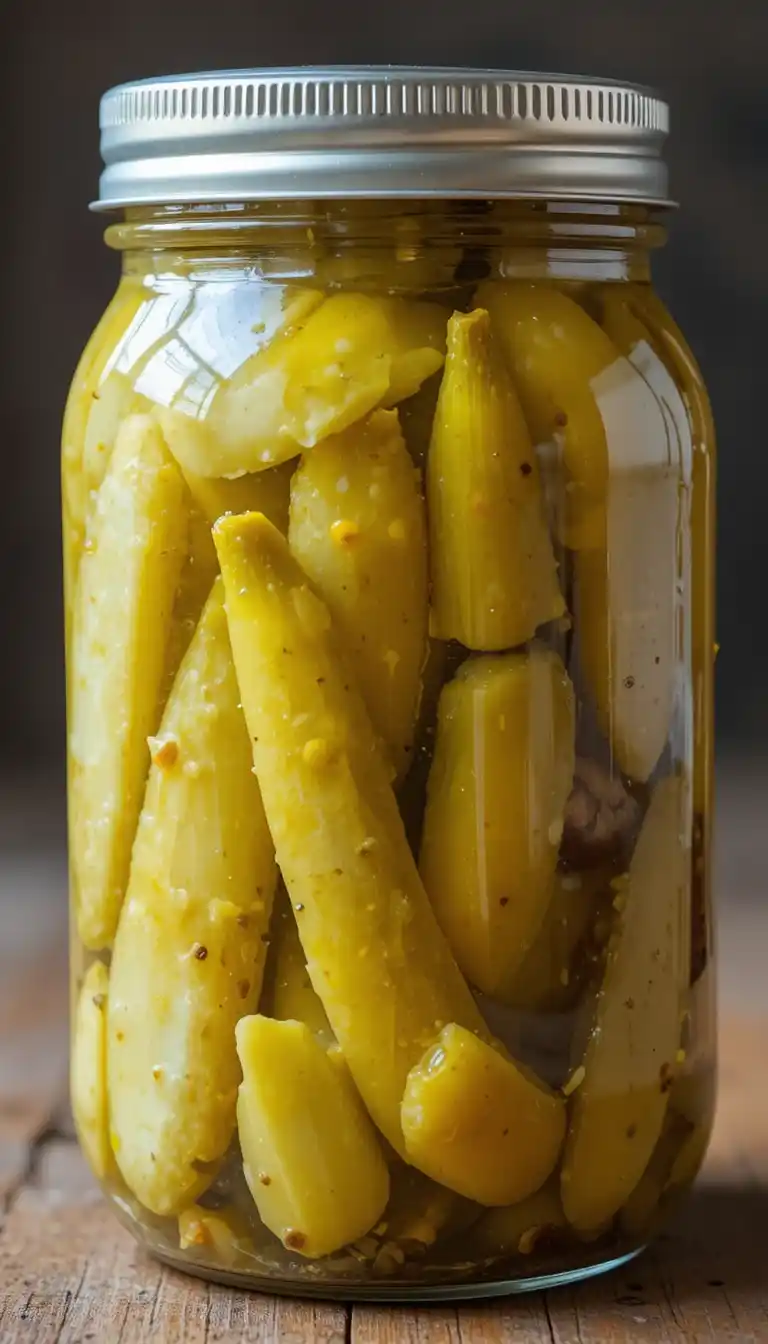
This copycat Claussen pickle recipe uses fresh cucumbers, dill, garlic, and a cold vinegar brine to make crisp refrigerator pickles. Because the cucumbers are not cooked, they keep more of their snap while absorbing a bold garlic-dill flavor.
These are refrigerator pickles, not shelf-stable canned pickles. Keep them chilled and use clean jars and utensils. For a sweeter, spicy variation, try our sweet heat pickles.
What Are Claussen Pickles?
Claussen pickles are a classic staple known for their irresistible crunch and bold, garlicky flavor. Unlike regular store-bought pickles that are cooked or pasteurized, Claussen-style pickles are made using a cold brine method, meaning they’re never boiled. This technique keeps the cucumbers crisp and full of fresh, tangy flavor. Stored in the refrigerator instead of on the shelf, they’re often called refrigerated pickles or cold brine pickles, celebrated for their texture and taste.
In this copycat Claussen pickle recipe, the same process is replicated to achieve that authentic bite. The cucumbers are packed with dill, garlic, and spices, then soaked in a salty, vinegary brine that slowly infuses flavor without cooking. The result is a batch of homemade Claussen pickles that taste just as refreshing and crunchy as the originals, perfect for anyone who loves fermented dill pickles with a natural, tangy twist.
Why You’ll Love This Copycat Claussen Pickle Recipe
For anyone craving that signature crunch and tangy bite, this copycat Claussen pickle recipe delivers everything you love about the original — right from your fridge. The biggest reason people adore it? The cold brine method. Unlike traditional canning, these refrigerator pickles stay uncooked, preserving their crispness and natural snap. Every bite bursts with flavor from garlic, dill, and a perfectly balanced brine that mirrors those famous Claussen-style pickles.
Not only are these homemade Claussen pickles incredibly easy to make, but they’re also healthier and more affordable. You’ll skip the preservatives while gaining the benefits of natural fermentation, making them a probiotic-rich snack. Whether served with sandwiches, burgers, or straight from the jar, these crunchy dill pickles bring a refreshing zest to any meal. It’s a satisfying, foolproof recipe for anyone who wants that iconic Claussen taste without ever stepping into a store.
Key Ingredients You’ll Need
To recreate the authentic Claussen-style pickles, you’ll only need a handful of fresh and simple ingredients. Each plays a crucial role in achieving that crisp texture and bold flavor found in the original copycat Claussen pickle recipe.
| Ingredient | Purpose | Tips or Substitutes |
|---|---|---|
| Fresh cucumbers | The base of your crunchy dill pickles | Use firm, small pickling cucumbers for best results |
| Fresh dill | Adds that signature Claussen aroma | Dill seed or dried dill can work in a pinch |
| Garlic cloves | Enhances the savory depth | Crush lightly to release flavor |
| Pickling salt | Prevents cloudiness in the brine | Substitute with kosher salt if needed |
| White vinegar | Balances tanginess and freshness | Use distilled vinegar for a clean flavor |
| Cold water | Keeps cucumbers firm | Always use filtered or non-chlorinated water |
| Spices (mustard seed, peppercorns, red pepper flakes) | Bring complexity to the brine | Adjust for your desired spice level |
These ingredients come together to form the foundation of homemade Claussen pickles. The secret lies in keeping everything cold and fresh, ensuring that every jar of refrigerator pickles retains the crunch and flavor that make cold brine pickles so iconic.
Step-by-Step: How to Make Copycat Claussen Pickles
Making your own copycat Claussen pickle recipe at home is easier than you might think. With just a few simple steps, you can create crunchy dill pickles that rival the store-bought version in both flavor and texture.
1: Prepare the Cucumbers
Wash your cucumbers thoroughly and slice them lengthwise or into spears. Firm, small cucumbers work best for cold brine pickles.
2: Make the Brine
In a large bowl, combine cold water, white vinegar, and pickling salt. Stir until the salt dissolves completely. Always use cold filtered water to maintain crunch.
3: Pack the Jars
Add fresh dill, garlic, and spices (like mustard seeds or peppercorns) to the bottom of each jar. Pack in the cucumbers snugly but without crushing them.
4: Pour the Brine
Carefully pour the cold brine over the cucumbers until fully submerged. Leave a little space at the top for fermentation gases.
5: Refrigerate and Wait
Seal the jars and place them in the refrigerator. Let them sit for 3–5 days before tasting. The longer they rest, the bolder the flavor becomes.
After a few days, you’ll have homemade Claussen pickles with that same tangy, garlicky punch and irresistible crunch that defines Claussen-style pickles.
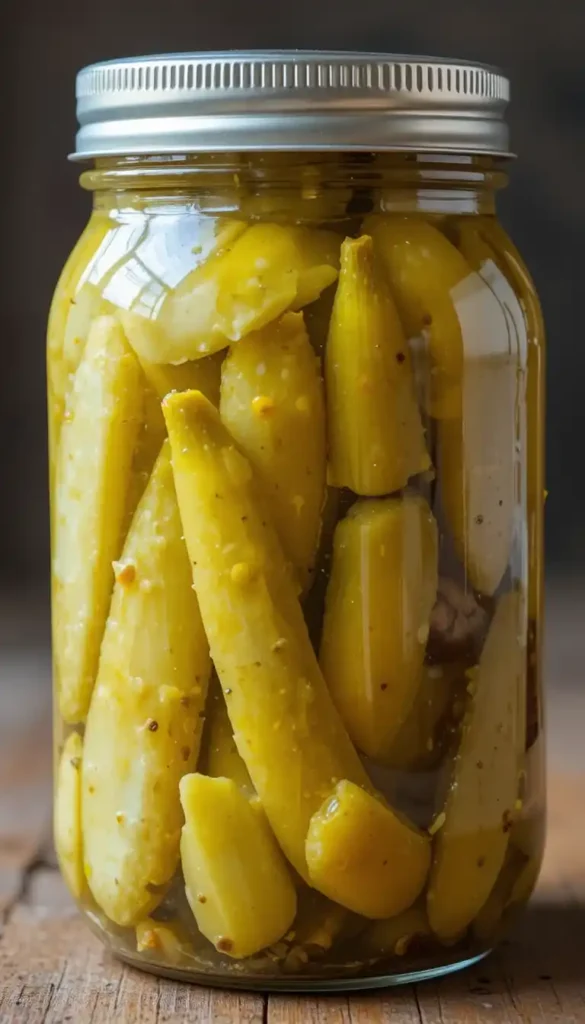
Expert Tips for Perfect Crunchy Pickles
Getting that perfect crunch is what makes a copycat Claussen pickle recipe truly stand out. These tried-and-true tips ensure every batch of homemade Claussen pickles turns out crisp and flavorful — just like the original.
- Start with firm cucumbers: Always choose fresh, small pickling cucumbers. Softer or overripe ones can result in mushy pickles.
- Use cold water only: Warm or tap water can soften cucumbers. Stick to filtered, icy water to keep your cold brine pickles crisp.
- Don’t skip the salt: Use non-iodized pickling salt or kosher salt for clarity and crunch; iodized salt can cloud the brine.
- Keep cucumbers submerged: Floating cucumbers can spoil. Use a fermentation weight or a leaf of cabbage to keep them down.
- Avoid boiling the brine: The key to Claussen-style pickles is their uncooked brine—heat destroys their crisp texture.
Follow these tips, and your crunchy dill pickles will taste as if they came straight from the Claussen factory—crisp, garlicky, and perfectly tangy every time.
How to Store and Serve Claussen-Style Pickles
Proper storage is key to keeping your homemade Claussen pickles crisp, tangy, and flavorful. Since this copycat Claussen pickle recipe uses a cold brine and is not cooked, it must be stored in the refrigerator to maintain its crunch.
- Refrigeration: Seal your jars tightly and store them at 35–40°F (2–4°C). This ensures your cold brine pickles stay fresh for up to 4–6 weeks.
- Submerge fully: Always keep cucumbers fully submerged in brine to prevent mold or spoilage.
- Serving ideas: Enjoy Claussen-style pickles straight from the jar, add them to sandwiches or burgers, or slice into spears for snacking. They also make a perfect side for charcuterie boards.
- Reuse pickle juice: The brine can be saved and reused to pickle small batches or as a zesty marinade for meats and vegetables.
Following these storage tips guarantees that your crunchy dill pickles remain just as flavorful and satisfying as store-bought Claussen pickles, ready whenever you want a refreshing, garlicky bite.
Variations to Try
Once you’ve mastered the classic copycat Claussen pickle recipe, it’s easy to experiment with flavors and textures to create your own twist on these iconic Claussen-style pickles.
- Spicy Claussen pickles: Add red pepper flakes, jalapeños, or chili powder to the brine for a fiery kick that complements the garlic and dill.
- Garlic-lovers version: Double or triple the garlic cloves for an extra bold flavor that garlic enthusiasts will adore.
- Bread & butter style: Incorporate a little sugar or honey to create sweet-and-sour refrigerator pickles with that classic tangy-sweet balance.
- Low-sodium option: Reduce pickling salt and enhance flavor with extra spices like mustard seeds or coriander seeds for crunchy dill pickles that are heart-friendly.
- Herb-infused variations: Try adding fresh thyme, rosemary, or tarragon for a gourmet twist that elevates your homemade Claussen pickles.
These variations allow you to customize your cold brine pickles while keeping the signature Claussen crunch intact. Experimenting with flavors ensures every batch is uniquely delicious, perfect for family meals or gifting to friends.
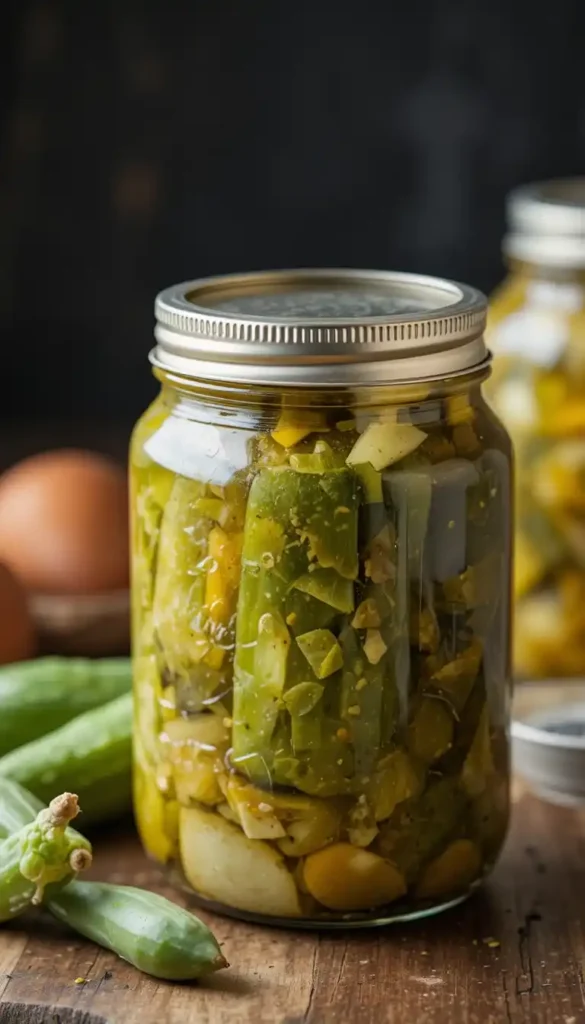
Refrigerator Pickle Safety and Storage Notes
This recipe makes vinegar-brined refrigerator pickles. It is not a tested canning recipe, so the jars must stay refrigerated and should not be stored at room temperature.
- Use clean equipment: Wash jars, lids, utensils, cucumbers, dill, and garlic before assembling the pickles.
- Follow the brine proportions: Do not casually reduce the vinegar or increase the water.
- Keep the pickles cold: Return the jar to the refrigerator promptly after serving.
- Watch for spoilage: Discard the batch if you notice mold, an unusual odor, or other clear signs of spoilage.
Common Mistakes & How to Fix Them
Even experienced home picklers can run into challenges when recreating a copycat Claussen pickle recipe. Luckily, most issues have easy fixes that’ll get your homemade Claussen pickles back on track in no time.
- Mushy pickles: This usually happens if the cucumbers aren’t fresh or if the brine was too warm. Always use cold water and pickling cucumbers harvested within 24 hours for that signature crunch.
- Cloudy brine: If your cold brine pickles turn cloudy, you may have used iodized salt or contaminated utensils. Use non-iodized salt and sterilized jars to avoid spoilage.
- Too salty or sour flavor: Adjust your brine ratio gradually. For balanced crunchy dill pickles, stick to the classic vinegar-to-water ratio (1:1) and taste-test small batches.
- Soft or slimy texture: This often results from over-fermentation or exposure to air. Keep cucumbers fully submerged and refrigerate promptly for the perfect refrigerator pickles recipe finish.
By understanding these common mistakes and their quick fixes, you can master the art of making crisp, flavorful pickles every single time.
FAQs About Copycat Claussen pickle recipe
Can I use apple cider vinegar instead of white vinegar?
Yes! While the classic copycat Claussen pickle recipe uses white vinegar for a clean, tangy flavor, apple cider vinegar can also work. It will slightly change the taste, adding a subtle fruity note, but your homemade Claussen pickles will still maintain that iconic crunch and garlic-dill flavor. For cold brine pickles or refrigerator pickles recipe, ensure the vinegar-to-water ratio remains balanced to preserve texture and prevent mushiness.
Do I have to refrigerate Claussen-style pickles?
Absolutely. Since Claussen-style pickles are made with a cold brine and are not boiled or canned, refrigeration is essential. Keeping your crunchy dill pickles chilled ensures they retain the crisp texture and prevents spoilage. Properly sealed jars stored at 35–40°F can last 4–6 weeks, making your homemade Claussen pickles convenient, fresh, and safe to enjoy anytime.
Can I reuse the pickle brine?
Yes, but with caution. The brine from your copycat Claussen pickle recipe can be reused to pickle small batches of cucumbers or vegetables. However, avoid reusing brine that has been sitting too long or shows signs of cloudiness, as this can affect the flavor and safety of your refrigerator pickles. Always taste-test and adjust salt and vinegar before reusing for optimal cold brine pickles results.
How long should I let Claussen-style pickles ferment?
For the best flavor, let your homemade Claussen pickles sit in the refrigerator for 3–5 days. This allows the cold brine pickles to absorb garlic, dill, and spices while maintaining their signature crunch. Some prefer letting them rest up to a week for a stronger, tangier taste. Always keep cucumbers fully submerged in the brine to prevent spoilage, and check the texture daily to ensure your crunchy dill pickles remain firm and flavorful.
Can I make this recipe spicy?
Absolutely! To create a spicy version of the copycat Claussen pickle recipe, add red pepper flakes, sliced jalapeños, or hot chili peppers to the brine. The heat complements the garlic and dill perfectly, transforming your homemade Claussen pickles into bold, flavorful cold brine pickles. Adjust the spice level according to your taste, and remember that refrigeration slows the flavor development slightly, so some heat intensifies over a few days.
What size cucumbers are best for Claussen pickles?
Small, firm cucumbers are ideal for replicating Claussen-style pickles. Pickling cucumbers around 3–5 inches long work best, as they hold their crunchy dill pickles texture in a cold brine pickles environment. Larger cucumbers may become soft or watery during fermentation. Using fresh, crisp cucumbers ensures that your refrigerator pickles recipe delivers the authentic Claussen crunch and tang every time.
Conclusion
This copycat Claussen pickle recipe makes it easy to enjoy homemade Claussen pickles with the same crisp, tangy flavor as the originals. By using a cold brine method, fresh cucumbers, and the perfect balance of garlic, dill, and spices, you can create crunchy dill pickles that are healthier, preservative-free, and ready straight from your refrigerator.
Whether you’re a beginner or an experienced pickler, these Claussen-style pickles offer endless opportunities to experiment with flavors, from spicy jalapeño versions to herb-infused twists. Proper storage and careful fermentation ensure your refrigerator pickles recipe stays fresh and delicious for weeks.
For more tips on pickling techniques, ingredient variations, and expert advice, check out The Spruce Eats guide to pickling — a trusted resource for home cooks and food enthusiasts alike.
Try this recipe today and discover the joy of making your own cold brine pickles that rival the Claussen crunch!
Print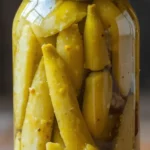
Copycat Claussen Pickle Recipe
- Prep Time: 15 minutes
- Refrigeration Time: 3 days
- Total Time: 3 days 15 minutes
- Yield: 1 quart jar 1x
- Category: Pickles, Snack
- Method: Cold brine / Refrigerator pickling
- Cuisine: American
- Diet: Vegetarian
Description
Recreate the iconic crunch and tang of Claussen pickles at home with this easy copycat Claussen pickle recipe. Using fresh cucumbers, garlic, dill, and a cold brine method, these homemade Claussen pickles stay crisp, flavorful, and preservative-free. Perfect for sandwiches, snacking, or gifting.
Ingredients
- 6–8 small pickling cucumbers
- 4–5 garlic cloves, peeled
- 4–5 sprigs fresh dill
- 1 tablespoon pickling salt (non-iodized)
- 1 cup distilled white vinegar
- 1 cup cold filtered water
- 1 teaspoon mustard seeds (optional)
- 1 teaspoon peppercorns (optional)
- 1 pinch red pepper flakes (optional)
Instructions
- Wash cucumbers and slice into spears or leave whole.
- In a bowl, combine cold water, vinegar, and pickling salt until dissolved.
- Place garlic, dill, and spices in a clean jar.
- Pack cucumbers snugly into the jar.
- Pour brine over cucumbers, ensuring they are fully submerged.
- Seal the jar and refrigerate for 3–5 days before tasting.
- Adjust seasoning or add spices after tasting if desired.
Notes
- Keep cucumbers fully submerged to prevent spoilage.
- Use small, firm cucumbers for the best crunch.
- Brine can be reused for small batches, but adjust salt and vinegar.
- Fermentation time can be adjusted for flavor intensity.
Nutrition
- Serving Size: 1 pickle spear